
Acrylic Solid Surface vs. Engineered Stone: Which is Right for Your Kitchen?
When it's time to choose a benchtop, most homeowners immediately think of engineered stone. However, as design trends shift toward seamless aesthetics and safety, Acrylic Solid Surface has emerged as a powerhouse alternative.
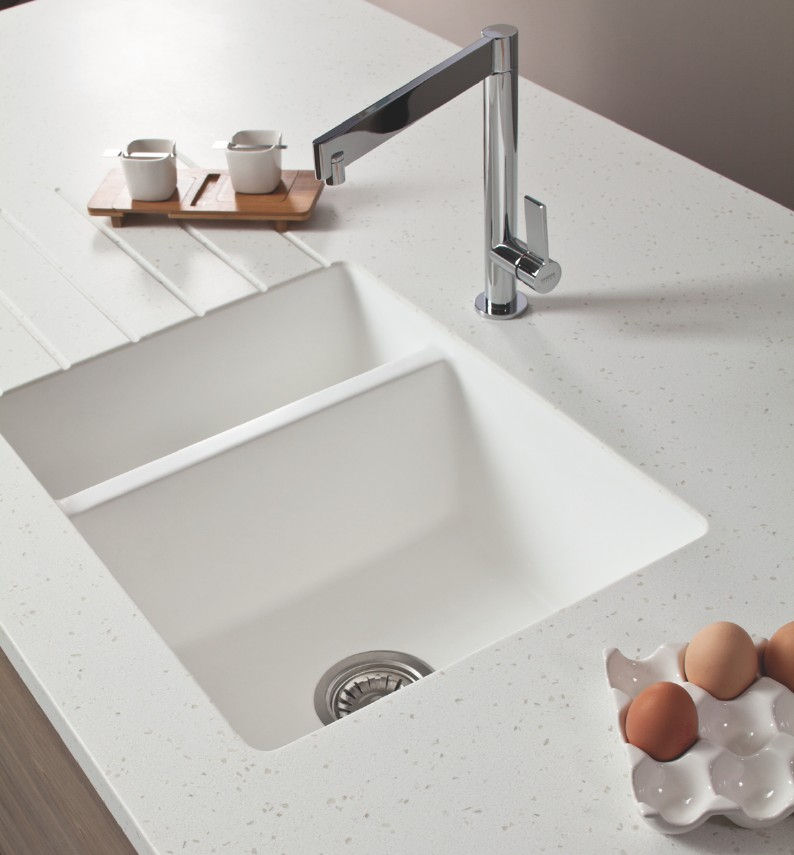
Composed of a sophisticated blend of minerals, natural pigments, and acrylic resins, this material offers a warm, tactile feel that traditional stone simply cannot replicate. But how does it stack up against engineered stone in a real-world kitchen?
1. The Aesthetic of "Seamlessness"

The most striking feature of Acrylic Solid Surface is its ability to be joined and polished to near invisibility. While stone slabs will always show a seam at the join, acrylic allows for integrated undermount sinks, upstands, and waterfall edges that appear as one continuous, sculptural piece.
2. Health and Safety (The Silica-Free Advantage)
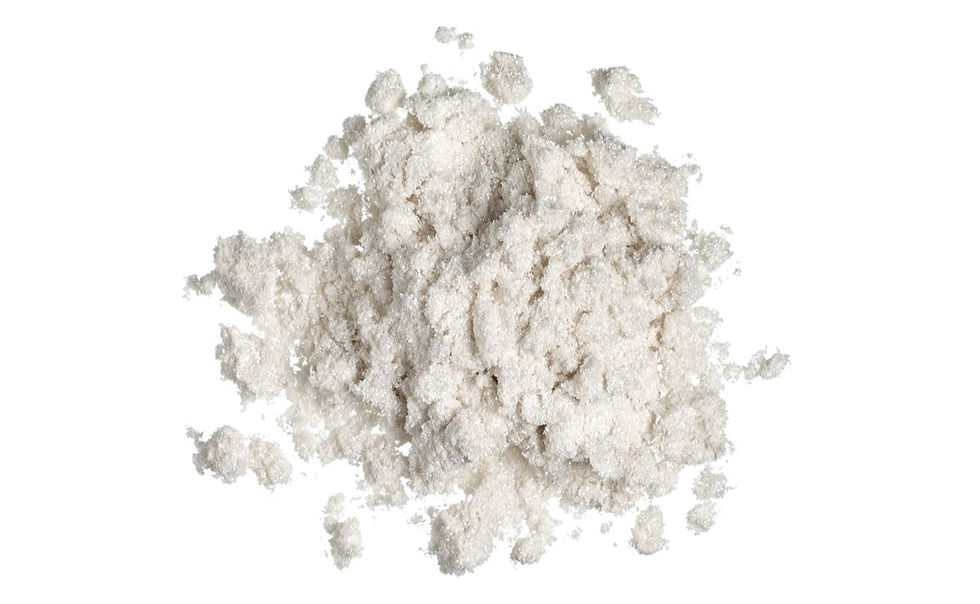
In 2026, safety is a top priority for both homeowners and tradespeople. While engineered stone has faced scrutiny due to high crystalline silica levels during fabrication, Acrylic Solid Surface is 100% silica-free. This makes it a responsible choice for those concerned about the health impact of the materials brought into their homes.
3. Durability and Repairability

While engineered stone is harder and more heat-resistant, it can be brittle. Acrylic is more forgiving under impact and can flex slightly without cracking. Perhaps its greatest "superpower" is repairability: while a chip in stone is permanent, minor scratches or wear on acrylic can be buffed out and refinished, restoring its original appearance.
4. Hygiene and Maintenance

Both materials are excellent, but acrylic's non-porous nature and lack of visible joins leave fewer places for dirt or bacteria to hide. This makes it one of the most hygienic options for high-use areas like kitchens and bathrooms.
5. Budget and Speed

Acrylic fabrication often allows for a faster turnaround compared to the intensive templating and cutting required for stone. Cost-wise, it typically sits at a more accessible price point than premium engineered stone or exotic marbles, making it an ideal choice for a high-end look on a sensible budget.
The Verdict: If you value heat resistance above all else, stone remains a strong contender. However, if you want a seamless, hygienic, repairable, and silica-free centerpiece, Acrylic Solid Surface is the modern choice.


